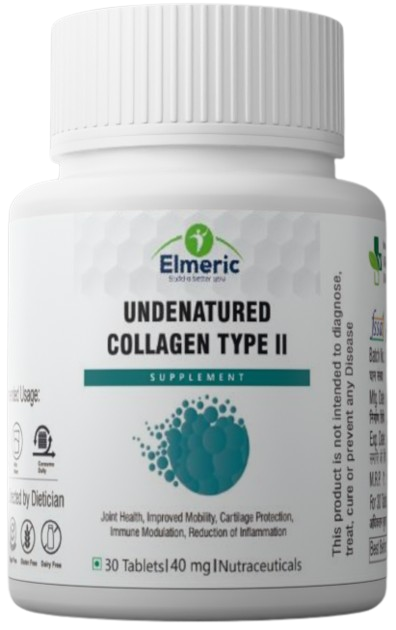
Undenatured Collagen Type II

Undenatured Collagen Type II

Undenatured Collagen Type II is a form of collagen that retains its natural structure and plays a key role in joint and cartilage health. While traditionally sourced from animals, our plant-based alternative is designed to support the body’s own collagen production. It helps maintain joint flexibility, reduce stiffness, and promote healthy skin from within.

  1. Joint Health and Cartilage Support
    • Helps rebuild cartilage and improve joint flexibility.
    • Reduces symptoms of osteoarthritis, including pain and stiffness.
  2. Skin and Connective Tissue Support
    • Enhances hydration, elasticity, and overall skin health by promoting collagen synthesis.
  3. Anti-Inflammatory Properties
    • Contains bioactive peptides that may reduce inflammation associated with joint disorders.
  4. Gut Health
    • Supports gut lining integrity, potentially aiding in conditions like leaky gut.
  1. Joint Health:
    • A study published in International Journal of Medical Sciences (Moskowitz, 2000) demonstrated that hydrolyzed Type II collagen reduced joint pain and stiffness in osteoarthritis patients when taken consistently.
  2. Cartilage Regeneration:
    • Type II collagen contains key amino acids (proline, glycine, hydroxyproline) that stimulate chondrocyte activity, aiding cartilage repair (Clark et al., 2008).
  3. Skin Benefits:
    • Hydrolyzed collagen promotes dermal fibroblast activity, which enhances skin elasticity and reduces signs of aging, as shown in a 2019 study in Nutrients.
  4. Anti-Inflammatory Effects:
    • Hydrolyzed Type II collagen contains peptides that suppress inflammatory markers, such as TNF-alpha and interleukins, offering relief for inflammatory joint conditions.
  1. Ingredient Sourcing
    • Ethical Sourcing: Derived from chicken sternum cartilage, often as a byproduct of the food industry, ensuring minimal waste.
    • Non-GMO and Allergen-Free: Many products guarantee no use of genetically modified organisms and ensure hypoallergenic production.
  2. Processing and Purity
    • Hydrolyzed collagen is enzymatically broken down to ensure optimal absorption (often <5,000 daltons molecular weight).
    • Tested for contaminants like heavy metals, pathogens, and allergens.
  3. Certifications
    • Look for products certified by NSF, GMP, or GRAS (Generally Recognized as Safe) status.
  4. Testing Protocols
    • Third-Party Testing: Independent labs test for purity and verify bioactive collagen content.

Batch-Specific Transparency: Lab results are often available via QR codes or product websites.

Hydrolyzed Type II collagen is typically combined with synergistic ingredients like:

  • Hyaluronic Acid: Enhances joint lubrication and skin hydration.
  • Vitamin C: Boosts collagen synthesis.

Chondroitin and Glucosamine: Further supports cartilage repair.

  1. Joint Health and Cartilage Support
    • Helps rebuild cartilage and improve joint flexibility.
    • Reduces symptoms of osteoarthritis, including pain and stiffness.
  2. Skin and Connective Tissue Support
    • Enhances hydration, elasticity, and overall skin health by promoting collagen synthesis.
  3. Anti-Inflammatory Properties
    • Contains bioactive peptides that may reduce inflammation associated with joint disorders.
  4. Gut Health
    • Supports gut lining integrity, potentially aiding in conditions like leaky gut.

  1. Joint Health:
    • A study published in International Journal of Medical Sciences (Moskowitz, 2000) demonstrated that hydrolyzed Type II collagen reduced joint pain and stiffness in osteoarthritis patients when taken consistently.
  2. Cartilage Regeneration:
    • Type II collagen contains key amino acids (proline, glycine, hydroxyproline) that stimulate chondrocyte activity, aiding cartilage repair (Clark et al., 2008).
  3. Skin Benefits:
    • Hydrolyzed collagen promotes dermal fibroblast activity, which enhances skin elasticity and reduces signs of aging, as shown in a 2019 study in Nutrients.
  4. Anti-Inflammatory Effects:
    • Hydrolyzed Type II collagen contains peptides that suppress inflammatory markers, such as TNF-alpha and interleukins, offering relief for inflammatory joint conditions.

  1. Ingredient Sourcing
    • Ethical Sourcing: Derived from chicken sternum cartilage, often as a byproduct of the food industry, ensuring minimal waste.
    • Non-GMO and Allergen-Free: Many products guarantee no use of genetically modified organisms and ensure hypoallergenic production.
  2. Processing and Purity
    • Hydrolyzed collagen is enzymatically broken down to ensure optimal absorption (often <5,000 daltons molecular weight).
    • Tested for contaminants like heavy metals, pathogens, and allergens.
  3. Certifications
    • Look for products certified by NSF, GMP, or GRAS (Generally Recognized as Safe) status.
  4. Testing Protocols
    • Third-Party Testing: Independent labs test for purity and verify bioactive collagen content.

Batch-Specific Transparency: Lab results are often available via QR codes or product websites.

Hydrolyzed Type II collagen is typically combined with synergistic ingredients like:

  • Hyaluronic Acid: Enhances joint lubrication and skin hydration.
  • Vitamin C: Boosts collagen synthesis.

Chondroitin and Glucosamine: Further supports cartilage repair.